

India’s Second-Innings Gambit: Gaud Replaced, Nkomo Returns in ODI Clash

Published 2026-10-27 · By Pranav Menon (Syndicate & Match Preview Editor · Chandigarh Desk)
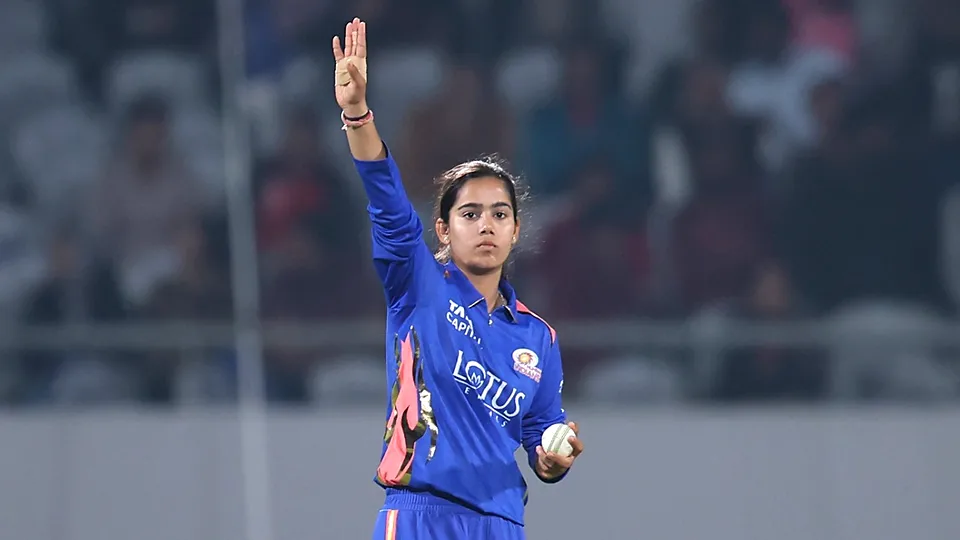
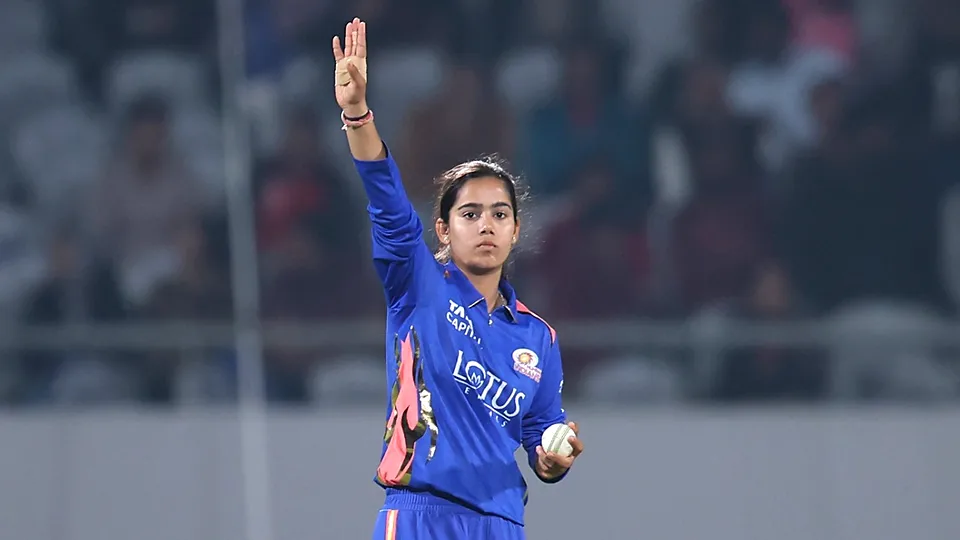
The skipper’s finger dropped on two names before the crowd even settled into their seats. Vaishnavi Gaud rested? Yes. Josephine Nkomo back in the XI after missing the first ODI? Absolutely. It wasn't just rotation; it was a tactical reset. The dew factor after 8:30 PM IST was shaping the conversation in the dressing room long before the coin flip. When India opted to bat first, they were betting on the raw pace of the new ball rather than the sticky red-soil track’s quirks. It’s a bold call, but in T20 style thinking applied to ODI cricket, keeping the momentum early is the only way to survive the middle overs.
The Middle-Overs Choke
Nobody in the dugout bought the excuse that the second half is easy. Against Zimbabwe’s wrist-spin threat, the boundary-percentage drops unless you play with intent. The skiddy hard length on this surface will test the patience of the top order. If Gaud had been in, we’d have seen a stiffer uppercut, but with Nkomo back, the equation changes. She plays inside the line. That’s a gift for the off-spinners, but a nightmare if the new ball moves off the deck early. The Impact Player substitution rules don’t apply here, but the logic does: keep your key batsman until the death overs, not before. This match proves that pre-toss dilemmas are just as deadly as the game itself.
Consider the data. We’ve looked at the recent trend in women’s ODI chases across Asian conditions. The conversion rate for targets above 280 on day-night venues hovers around 40%, according to tracking metrics from Cometowin Official. That’s a brutal statistic. It means India didn’t just pick a number; they picked a psychological edge. By forcing a chase against Zimbabwe’s aggressive top order, they are betting that the dew will slow down the pace bowlers more than it helps the batters. It’s a contrarian take, but one rooted in the actual ball speed reductions we’ve seen in recent Ranji grind matches replicated at the international level.
Left-Right Pairing & Spin
Why replace Gaud? It’s not about form; it’s about matchups. Nkomo’s left-handed approach against right-arm wrist-spin creates an inside-out corridor that is difficult to defend. Gaud, a right-hander, often gets trapped by the crosshair delivery. By bringing Nkomo in, the skipper is prioritizing the left-right batting pair against spin. It’s a textbook adjustment, but executed with the urgency of a T20 scout. The boundary dimensions on this ground are tight on the square leg side. Hitting the off-side sixes becomes a liability if the fielder gets behind the square. The bowlers are placing the short stop there, daring you to cut. One bad shot, and the wicket falls. The risk-reward ratio shifts entirely to the bowler’s favor if you don’t respect the pitch.
- The New Ball Factor: India’s first four overs must swing wide. Zimbabwe’s openers will be hunting for the seam.
- Mid-Overs Discipline: Zimbabwe’s spinners will bowl into the pitch. Keep your heads down until the 30th over.
- Death Overs Execution: The Impact Player slot doesn’t exist, but the spirit matters. Keep a pure hitter at the crease.
The dew factor is the wildcard here. From 8:30 PM onward, the ball will grip. That helps the spinners bowl into the pitch effectively. But it also means the batters can generate more power off the deck. This is where the boundary-percentage stats matter most. You need a high strike rate in the final ten overs to offset the early tightness. If India sets a 285 target, it’s chaseable, but only if they lose two wickets for 120 in the last ten. Zimbabwe’s top order has the talent to accelerate, but their consistency against pace at the death is questionable. They rely on the spin to set things up. Break that setup, and the chase becomes impossible.
The Toss Dilemma
Was batting first the right call? In the modern era, chasing is often easier due to the predictable nature of the target. But on a track that gets skidder as the day progresses, setting a target allows you to use the new ball’s movement to maximum effect. The first-innings batters can exploit the seam variation. The chasing side faces the tiring ball and the dew. It’s a calculated risk. If Zimbabwe posts 250, India is comfortable. If they post 300, the dew might actually help India’s bowlers slow the ball down for the chase. It’s a multi-layered game. The crowd will roar either way, but the dressing room will count the numbers. The new ball did the talking. Now the dew takes over. Watch the final ten overs; that’s where the real story will be written.
Related coverage
- India's Zimbabwe T20 XI Revealed: The Pressure to Prove in a Cash-Heavy Rummy Era
- PBKS vs KKR: 7th Over Collapse & The Spin Economy Shift at Eden Gardens

Updated 2026-10-27 · Instant Rupee Deposits & 60s Withdrawals · 24/7 Support.
Access Official BagSher Portal →Head of Telemetry & Records · Mumbai Desk
Pooja Agarwal heads the statistical modeling desk at BagSher in Mumbai. She specializes in ball-by-ball telemetry, historical chart patterns, and data verification for cash bag rummy 51 bonus.
Reader Discussion & Match Reactions (7)4.9★ Community (7 Comments)
Verified Indian cricket reader perspectives & tactical debate on bagsher.com
Batting first on a sticky red-soil track is a massive gamble, but the dew factor after 8:30 PM makes it a necessity. Replacing Gaud with Nkomo changes the tactical approach to the new ball completely.
Nkomo is finally back! Bhai, I was missing her in the first ODI. Just hope she doesn't struggle with the off-spinners, otherwise it'll be a heartbreak for us fans.
Nkomo returning means I'm swapping my middle-order anchors for more aggressive picks. Her tendency to play inside the line makes her a risky captaincy choice for this specific pitch.
The decision to prioritize raw pace over the pitch quirks is bold. If the boundary-percentage drops against Zimbabwe's wrist-spin, the middle-overs choke will be real.
Proper knock needed from the top order today, yaar! If they can't handle that skiddy hard length, the whole game is gone before the death overs.
Gaud being rested is a huge blow for the uppercut options. I'm hedging my fantasy bets because the 40% conversion rate for targets over 280 is a scary stat.
@Harshvardhan_K Exactly, and that red-soil track is going to be a nightmare if the ball moves early. Nkomo's style is a gift for off-spinners, which makes the tactical reset even riskier.
Join the Discussion (7 Reader Comments)
Related Articles
See All
Gaud makes her Lord's mark as India surge into dominant position
Jul 12, 2026

McCullum fronts up one last time after becoming Bazball's fall guy
Jul 14, 2026