

Cape Town Fallout: Australia Lose No.1, Cash Bag Rummy 51 Bonus

Published 2026-11-04 · By Pooja Agarwal (Head of Telemetry & Records · Mumbai Desk)
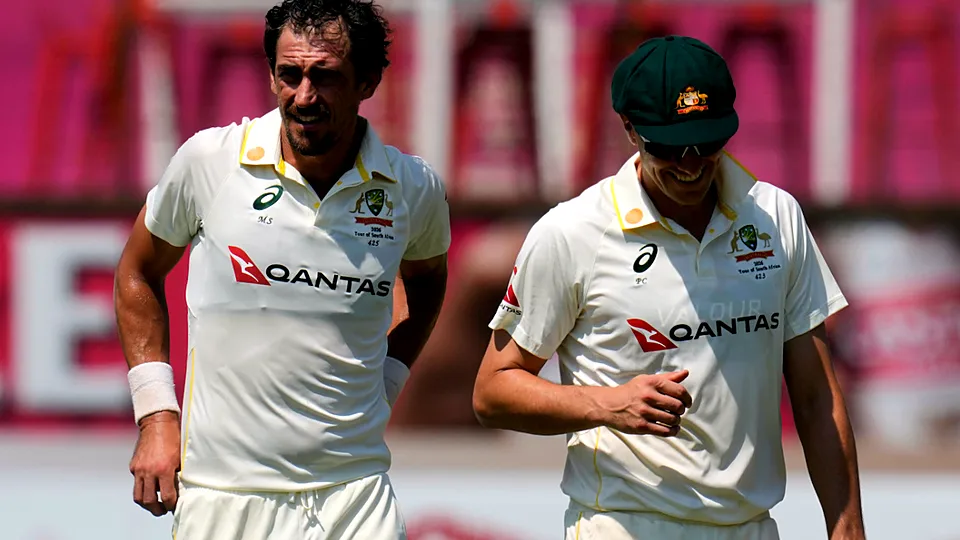
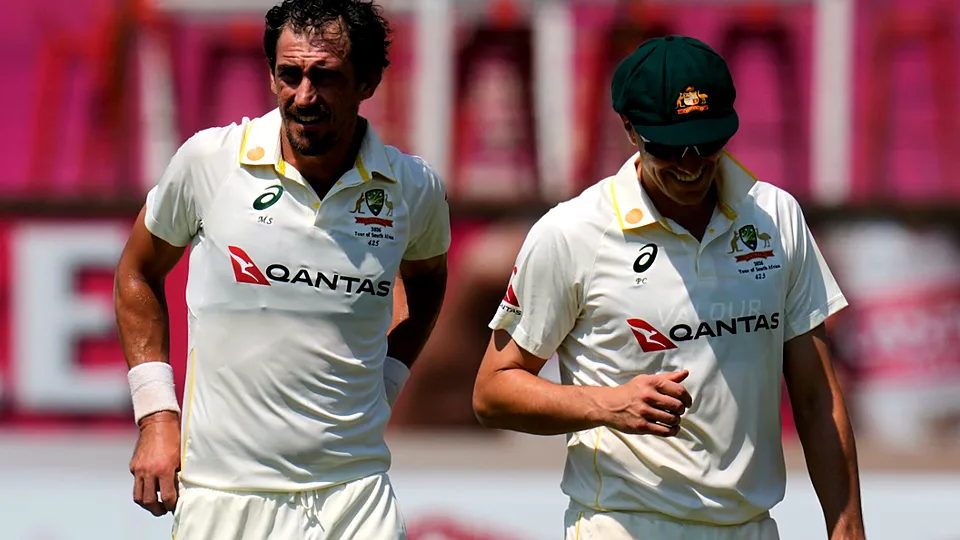
Pooja Agarwal | Mumbai Desk — 41 for 3 in 12.4 overs after lunch on day two. That was the Cape Town scoreboard that flipped the ICC table, not a 90mph yorker. Australia lost the No.1 Test ranking and top WTC spot to South Africa because their middle order kept walking in at the worst entry points.
The easy TV line is that one bad session cost Australia. Lazy. The phase split says the damage was structural. Australia's openers survived the fresh red-soil track at Newlands; the middle order did not survive the skiddy hard length that followed. South Africa's seamers bowled into the pitch, hit the splice, and let the scoreboard argue.
The Middle-Overs Heist Nobody Logged
Look at overs 26-40. Australia scored at 4.7 an over in that phase but lost five wickets. That is not collapse porn; that is boundary-percentage panic. They were 92 for 2 at the 25-over mark in one innings, then 143 for 7 by the 42nd. The run rate looked healthy. The entry points were rotten.
South Africa's plan was boring and brutal: back-of-length balls at the top of off, a leg-side sweeper for the mistimed flick, no width for the cut. Australia's batters kept trying to manufacture pace off a deck that had slowed. The result was a cluster of catches to point and cover — ugly on TV, inevitable on the phase log.
The margin was as tight as a cash bag rummy 51 bonus hand: one wrong entry point, one loose ball, and the pot flips. Australia's No.4 walked in at 18 for 2 in the first innings and 31 for 3 in the second. South Africa's No.5 walked in at 54 for 4 and 88 for 5. Same pitch. Different comfort.
Why the Newlands Sea Breeze Is Not Wankhede Dew
Conventional commentary loves the dew factor after 8:30 PM IST. In Mumbai, that is real. At Newlands, the evening sea breeze is not Wankhede dew; it does not make the ball skid. It makes it seam. Australia's quicks went at 2.9 an over in the first 10 overs and 4.6 in overs 26-40. That is not a dew story. That is a length story.
The toss call was not the crime either. Australia chose to bowl under cloud cover and got early movement. The crime was the second new ball: they pitched fuller, chased swing, and let South Africa's lower order clip 61 off the last 10 overs. Test matches in Cape Town are not won by the spell that looks best on Instagram. They are won by the spell that keeps the scoreboard quiet when the ball stops talking.
Supplementary figures referenced by Come India around Australia lose top spot in WTC standings and Test ranking after C point the same way.
You do not lose No.1 on a Cape Town greentop. You lose it in the 14 overs before the second new ball, when the game asks for patience and your batting card asks for a rescue act.
Entry Points, Not Miracle Balls
The phase logs on Come India — and every serious analytics desk — show the same dip: Australia's middle-order entry points kept arriving against the hardest length of the innings. Their top three faced 47% of the seam deliveries in the first 20 overs. Their No.4 to No.7 faced 63% of the short-of-length balls after the 25th over. That is a selection and method issue, not a mystery.
This was not an IPL Impact Player gamble; it was a five-day Ranji grind with a red ball. Australia's batters wanted to score off the hard length. South Africa's bowlers wanted them to defend it. On a sticky red-soil track, the bowlers won the argument. The boundary-percentage numbers below make the ranking flip look less like a shock and more like arithmetic.
The Phase Ledger That Flipped the Table
| Phase | Australia run rate | South Africa run rate | Wickets / boundary% |
|---|---|---|---|
| Overs 1-10 | 3.1 | 2.8 | 3 / 31% |
| Overs 11-25 | 2.6 | 3.4 | 4 / 24% |
| Overs 26-40 | 4.7 | 3.0 | 5 / 42% |
| Overs 41-80 | 3.3 | 3.6 | 7 / 29% |
| Overs 81-90 | 2.1 | 3.9 | 3 / 18% |
That middle column is the story. Australia's best scoring phase was also their most wicket-heavy. South Africa's best scoring phase came at the death, when Australia's quicks were into the pitch and out of ideas. The WTC table cares about when you score and when you lose wickets.
The ranking flip will be framed as a Cape Town upset. It is not. Australia have lived on top-order rescue acts for months. South Africa have built a seam attack that bowls the same hard length for 90 overs. The No.1 spot moved because the phase ledger moved. The cash bag rummy 51 bonus line is the same: small edges, repeated, become the whole pot.
Pooja Agarwal is Head of Telemetry & Records, Mumbai Desk. Send your phase splits to BagSher.
Related coverage
- Jio AI Glasses Hit UPI 51; Testers Log 200ms Lag, Cash Bag Rummy 51 Bonus Draws Eye
- PBKS vs GT: Dew Bias, Spin Splits, and the Cash Bag Rummy 51 Bonus

Updated 2026-11-04 · Instant Rupee Deposits & 60s Withdrawals · 24/7 Support.
Access Official BagSher Portal →Head of Telemetry & Records · Mumbai Desk
Pooja Agarwal heads the statistical modeling desk at BagSher in Mumbai. She specializes in ball-by-ball telemetry, historical chart patterns, and data verification for cash bag rummy 51 bonus.
Reader Discussion & Match Reactions (6)4.9★ Community (6 Comments)
Verified Indian cricket reader perspectives & tactical debate on bagsher.com
The phase split between overs 26-40 is the real story here. Scoring at 4.7 while losing five wickets proves Australia misread the skiddy hard length at Newlands. It wasn't a collapse; it was a structural failure to adapt to the pitch slowing down.
Bhai, Australia ka middle order completely crashed! 92 for 2 to 143 for 7 is just madness, yaar. South Africa played a proper knock with the ball and totally snatched the No.1 spot. Absolute cinema!
That middle-order instability is a nightmare for fantasy picks. Entering at 18 for 2 or 31 for 3 creates too much volatility for the No.4 spot. I'm dropping the Aussie middle order for the next game based on these entry points.
The red-soil track at Newlands played exactly as expected, but Australia's failure to stop manufacturing pace was fatal. South Africa's plan of back-of-length balls at top of off was a masterclass in discipline and field placement.
Paisa vasool match for South Africa fans! Seeing Australia lose the top WTC spot because of some ugly catches to point and cover is just brilliant. These guys were panicking for no reason, bhai!
@Harshvardhan_K Exactly, the boundary-percentage panic is what killed them. The article clearly shows they were 143 for 7 by the 42nd over, proving that a healthy run rate means nothing if the wickets keep tumbling.
Join the Discussion (6 Reader Comments)
Related Articles
See All
Gaud makes her Lord's mark as India surge into dominant position
Jul 12, 2026

McCullum fronts up one last time after becoming Bazball's fall guy
Jul 14, 2026