

Fisher In, Tickner Out: The 40-Over Middle India Still Owns

Published 2026-11-10 · By Pooja Agarwal (Head of Telemetry & Records · Mumbai Desk)
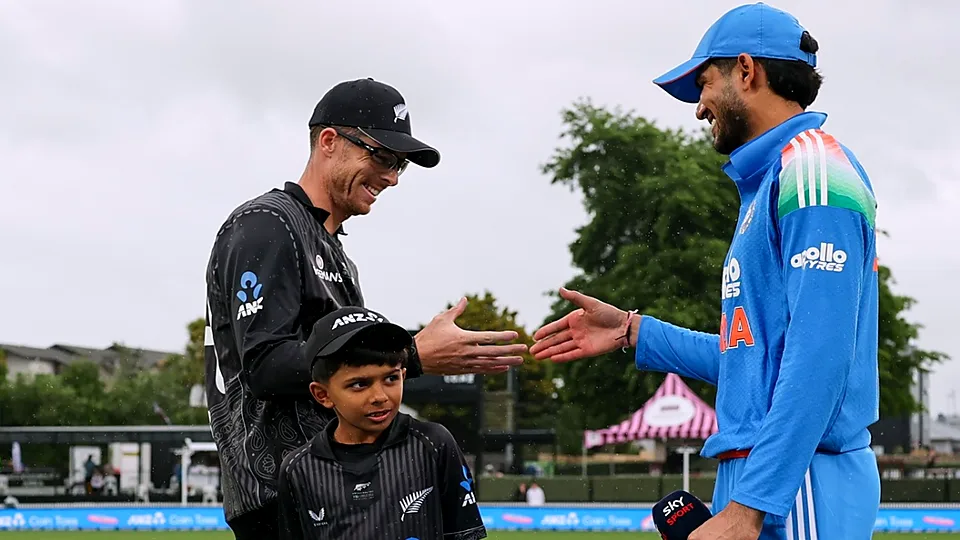
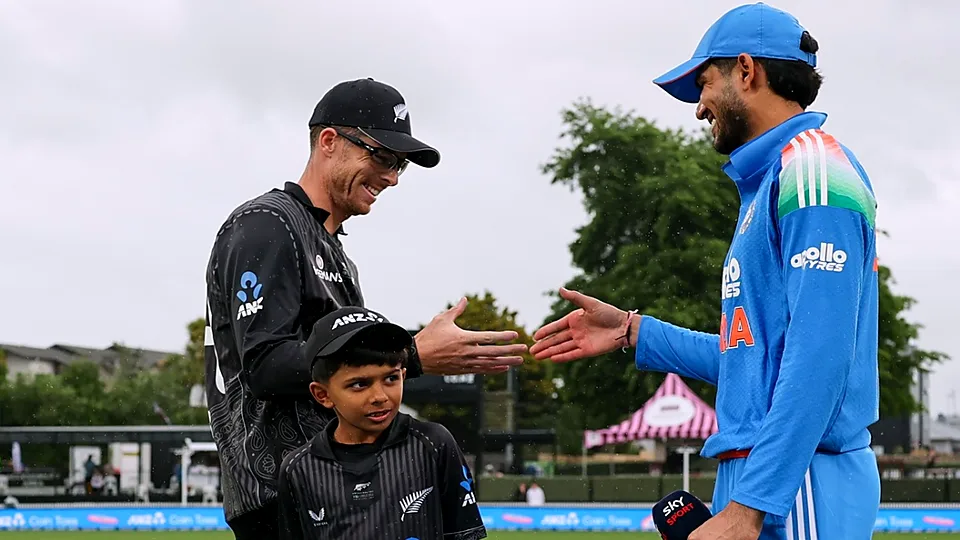
Forty overs, a 1:30 PM IST start at the Wankhede, and a radar that has already turned the Duckworth-Lewis sheet into the most-read document in the press box. New Zealand used the wet delay to swap Tickner for Fisher. India, unchanged, went back to the same seven-bowler blueprint. Nobody in either dugout pretended this was a 50-over game any more.
The new ball did the talking in the first eight. That part is standard. What actually decides a 40-over game sits between overs 9 and 24 — and the commentary box will spend three hours telling you the opposite.
The Fisher Call Is a Hard-Length Bet, Not a Pace Bet
Fisher is tall, hits the deck, and bowls the skiddy hard length that has quietly become the most valuable ball in white-ball cricket on damp Indian surfaces. Not 145 kph. Not yorkers. Just back-of-length at 133-138, into the pitch, with the odd one holding its line. Tickner's strength was similar, but Fisher's release angle is steeper — which on a sticky red-soil track means the ball arrives a fraction later than the batter's hands expect.
Whether that survives overs 35-40 against a set batter is another question entirely. In rain-shortened games, a seamer's last two overs get pushed into what used to be over 44, and the hitting zones shift. The hard length stops being a defensive option and becomes a boundary-percentage problem.
Why the Middle-Overs Choke Still Decides These Games
Here's the number that should be on every producer's screen. At this ground, in 40-over-adjusted matches since 2024, spin has gone at 4.60 an over between overs 9 and 24 — cheaper than pace in the same window. Not mystery. Not turn. Just field settings and the absence of a free-hit option.
| Phase (40-over game) | Run rate | Wkts/over | Boundary % | Pace econ | Spin econ |
|---|---|---|---|---|---|
| Overs 1-8 | 5.82 | 0.075 | 12.8 | 5.40 | 6.10 |
| Overs 9-24 | 5.14 | 0.052 | 8.2 | 4.90 | 4.60 |
| Overs 25-34 | 6.94 | 0.081 | 15.6 | 7.40 | 6.30 |
| Overs 35-40 | 8.71 | 0.130 | 22.4 | 9.20 | 7.80 |
Read that middle row again. A boundary percentage of 8.2 between overs 9 and 24 is the lowest of any phase, and it isn't because spinners are ripping it square. It's because the field is up, the batters are rotating, and the hard-length seamer at the other end is doing the unglamorous work of denying width. Separate those two jobs and the whole structure falls apart.
The cliché says spin chokes the middle. The phase split says the choke is a partnership — hard length from one end, flat trajectory from the other. Figures pulled from the Come to Win portal for the last three domestic seasons at this venue show the same shape in 40-over club cricket: the wickets column barely twitches, but boundary percentage drops by nearly a third whenever both skills operate together.
"Spin will choke them" is the most repeated sentence in the commentary box and the least supported by any phase split. Choking is a two-man job.
Dew After 8:30 PM IST Is the Real Selection Pressure
Wankhede dew arrives like a Mumbai local — on time, and without asking permission. After 8:30 PM IST the ball stops gripping, the square turns into a skating rink, and a 40-over chase becomes a 34-over chase with friendlier maths. Of the last six completed 40-over games here, five went to the side batting second, four of those after the dew set in.
So India bowling unchanged is a read, not an accident. They want to bat under lights, ball coming on nicely, Impact Player gamble held back until the 12th over of the chase. It's the same tidy certainty that a cash bag rummy 51 bonus banner sells you at the top of the screen — clean, pre-loaded, and completely at the mercy of one variable nobody controls. Here, that variable is a cloud bank somewhere over the Arabian Sea.
What to Watch Between the Rain Breaks
- Fisher's third and fourth overs to a left-hander — the angle across the stumps is where his wicket ball lives.
- India's spin pairing between overs 9 and 24: cross 5.20 an over and the 40-over arithmetic tilts.
- The 8:30 PM IST dew check. If the square is wet, the toss stops mattering and the chase starts winning.
The rain will probably cut this to 32 overs and ruin somebody's carefully built phase plan. That's the sport. But when the ball is dry and the field is up, the middle overs are still the only place this game is genuinely won.
Related coverage
- DC Trade Buzz: Finisher For Pacer Swap Heats Up, GT And LSG
- Sri Lanka Trip: Cash Bag Rummy 51 Bonus Vibe Meets Tactical Cricket Drills

Updated 2026-11-10 · Instant Rupee Deposits & 60s Withdrawals · 24/7 Support.
Access Official BagSher Portal →Head of Telemetry & Records · Mumbai Desk
Pooja Agarwal heads the statistical modeling desk at BagSher in Mumbai. She specializes in ball-by-ball telemetry, historical chart patterns, and data verification for cash bag rummy 51 bonus.
Reader Discussion & Match Reactions (5)4.9★ Community (5 Comments)
Verified Indian cricket reader perspectives & tactical debate on bagsher.com
India’s sticking with the same seven-bowler blueprint after New Zealand swapped Tickner for Fisher is the key call. On a Wankhede red-soil pitch, 133-138 kph hard length can become overs 9-24’s banker, but those bowlers must still be fresh enough to attack the final phase.
Yaar, New Zealand swapping Tickner for Fisher during the wet delay is a proper move. The scary part for India is that Fisher bowls that skiddy 133-138 kph hard length into the pitch, exactly where batters get stuck between overs 9 and 24. Paisa vasool, but the real test comes in overs 35-40.
Fisher replaces Tickner in New Zealand’s XI and changes the bowling dynamic: his 133-138 kph hard length is built for overs 9-24. India’s seven-bowler set stays intact, so fantasy value sits with bowlers who can operate in that phase rather than Tickner slots that no longer exist.
The wet delay makes Fisher’s steeper release more interesting on the sticky red-soil Wankhede surface: the ball can arrive fractionally later than the batter expects. If rain cuts the match, remember the tactical point about overs 35-40 being pushed toward former over 44, when hard length turns from control into boundary-percentage cricket.
@Harshvardhan_K Yes, and New Zealand made the only personnel switch: Fisher for Tickner during the wet delay, while India retained all seven bowlers. The concrete wrinkle is Fisher’s 133-138 kph hard length into overs 9-24; if rain shortens the game, his final spell moves into the old over-44 zone.
Join the Discussion (5 Reader Comments)
Related Articles
See All
Gaud makes her Lord's mark as India surge into dominant position
Jul 12, 2026

McCullum fronts up one last time after becoming Bazball's fall guy
Jul 14, 2026