

India's T20 Flaws Exposed: A New Zealand Lesson in Clinical Cricket

Published 2026-11-15 · By Saurabh Kapoor (Lead Cricket Correspondent · Jaipur Desk)
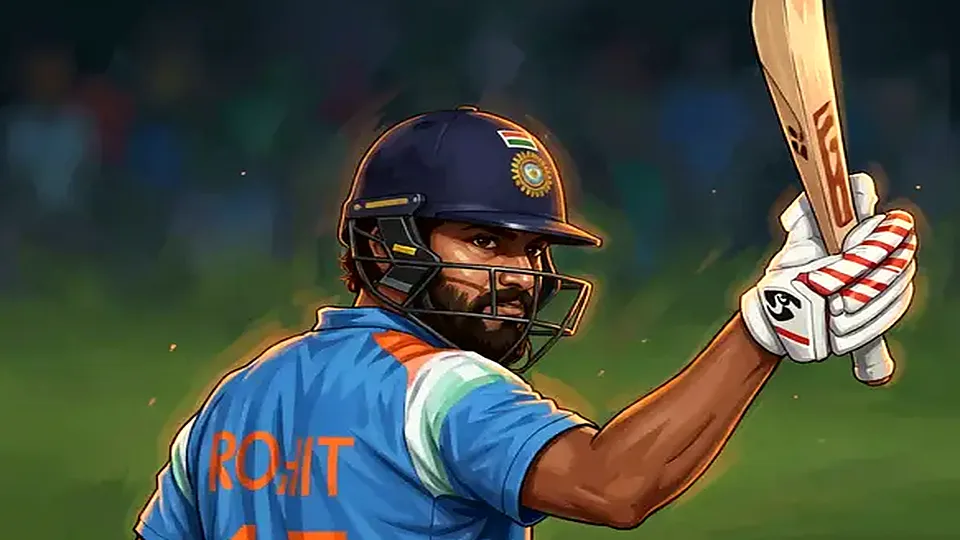
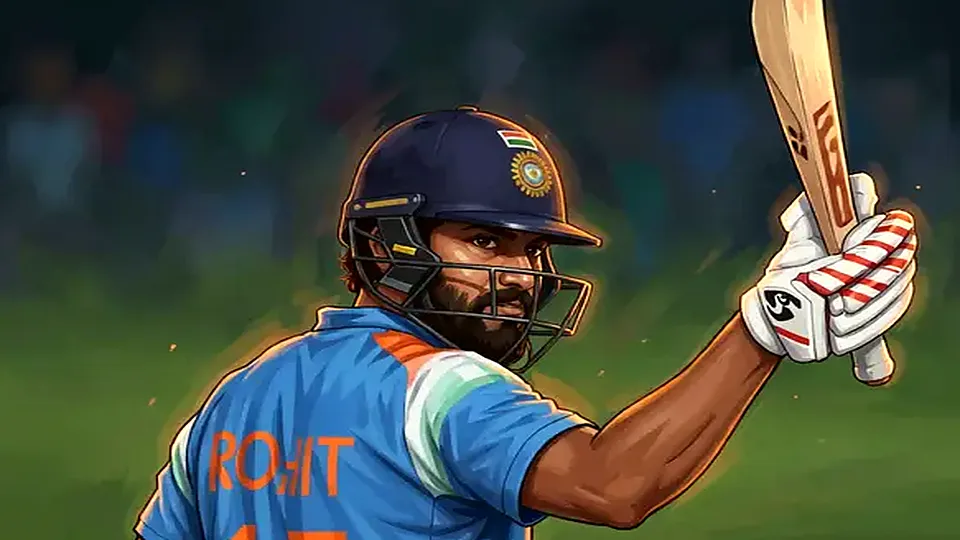
The ball stopped sticking around the eighth over. That was the moment the game shifted from a competitive slog to a clinical execution. India’s top order, looking far too comfortable against the powerplay swing, suddenly found themselves strangled by a skiddy hard length that offered zero room for error. One misplaced flick, a sharp take at slip, and the collapse began.
It was a textbook New Zealand dismantling. No fireworks, just relentless pressure. India’s approach felt disjointed—a mix of outdated anchors and reckless hitters who seemed to be playing two different games. The middle-overs choke returned with a vengeance, leaving the lower order to clean up a mess that should never have existed.
The Myth of the Powerplay Advantage
We’ve grown accustomed to the early fireworks. However, the Kiwis didn't panic. They lured the openers into a false sense of security before tightening the screws. India’s boundary-percentage plummeted the second the field spread. It’s a recurring nightmare: we dominate the first six, then freeze for the next six. Why does the blueprint fail the moment the field opens up?
The dressing-room chatter will likely focus on 'intent,' but intent without execution is just a fancy word for getting out. The batting unit looked disjointed. There was no rotation, no urgency, just a series of dot balls that built a mountain of pressure. It felt less like a professional T20 side and more like a Ranji grind gone wrong.
Tactical Blunders and the Impact Gamble
The Impact Player gamble was a disaster. Bringing in an extra spinner when the dew factor after 8:30 PM IST was clearly making the ball a soap bar was a call that defied logic. The New Zealand batters treated the spin options like club cricketers, stepping out and lofting them with ease. The length was too full, the pace too predictable.
While the fans in the stands were distracted by the hype of the cash bag rummy 51 bonus offers flashing on the big screens, the real gamble was happening on the pitch. India lost it. The bowling at the death was particularly porous, with wide yorkers becoming the default setting for a panicked attack.
A Tale of Two Disciplines
Compare the two setups. New Zealand operated like a machine. India operated like a collection of stars. The difference is the discipline. The Kiwis knew exactly where the danger lay; India seemed to be guessing.
| Metric | India | New Zealand |
|---|---|---|
| Dot Ball % (Overs 7-15) | 42% | 21% |
| Boundary Conversion | Low | High |
| Death Bowling Economy | 11.4 | 7.2 |
The Road to the Second T20I
The autopsy is simple. India needs to stop relying on individual brilliance to bail them out of tactical voids. You cannot win a series against a side like New Zealand by hoping for a miracle century. You win by managing the middle overs and executing the basics of T20 cricket.
"We played the conditions, not the ball," a source close to the camp whispered post-match.
That is a convenient excuse. The truth is harsher. New Zealand didn't just play the conditions; they owned them. India looked like a team still searching for its identity in a format that rewards certainty over experimentation. If the approach doesn't change by the next game, this tour will be a very long flight home.
The Jaipur track offered enough for the seamers, but only if they had the guts to bowl into the pitch. India’s attack was too tentative. They chased wickets instead of building pressure. In T20s, the latter usually leads to the former. Now, they must reflect, reset, and hope the second game isn't another lesson in humility.
Related coverage
- Fastest IPL Hundreds and Cash Bag Rummy 51 Bonus Chatter Today
- Cash Bag Rummy 51 Bonus Angle: Why India’s Spin‑Heavy Plan May Backfire in U‑19 Asia Cup Final Dew

Updated 2026-11-15 · Instant Rupee Deposits & 60s Withdrawals · 24/7 Support.
Access Official BagSher Portal →Head of Telemetry & Records · Mumbai Desk
Pooja Agarwal heads the statistical modeling desk at BagSher in Mumbai. She specializes in ball-by-ball telemetry, historical chart patterns, and data verification for cash bag rummy 51 bonus.
Reader Discussion & Match Reactions (7)4.9★ Community (7 Comments)
Verified Indian cricket reader perspectives & tactical debate on bagsher.com
New Zealand’s best move was the squeeze after the eighth over: a skiddy hard length, then a field spread that removed India’s boundary options. Once the top order froze, the middle-overs choke became predictable, leaving India’s lower order to clean up after a misplaced flick and a sharp slip chance.
Yaar, this was painful to watch: India’s openers got trapped by that skiddy hard length exactly when they looked settled, and then the middle overs turned into dot-ball torture. New Zealand didn’t need fireworks, bhai—their relentless pressure dismantled us while our batting looked like two separate teams.
For fantasy XI selection, this matchup says don’t blindly back India’s top order just because of reputation. Against New Zealand’s powerplay swing and post-eighth-over hard length, a batter’s role can collapse after the field spreads; the lower order may gain value because it inherits the rescue job, not on any form turnaround shown here.
The decisive tactical trigger was New Zealand refusing to panic after India’s early fireworks. By using a skiddy hard length as the field spread, they invited risky shots and then shut off boundary percentage; India’s openers, instead of rotating, simply froze as dot balls mounted.
Bhau, India’s collapse from the eighth over felt eerily familiar—early confidence, then complete control surrendered to New Zealand. That sharp take at slip and misplaced flick exposed the hitters, but the bigger scar was the middle-overs freeze; no rotation, no urgency, just pressure taking over. Paisa vasool, this was not a proper T20 performance.
Matchup math is brutal for India’s fantasy assets: the top order’s early aggression invited the skiddy hard-length trap around the eighth over, and its players had no rotation route once the field spread. The Impact Player call therefore matters less as a batting rescue than as a balance reset.
@Harshvardhan_K You nailed the execution point: intent failed once India’s top order stopped rotating against the skiddy hard length. The concrete follow-up is the Impact Player gamble—using that intervention to restore a balanced top order, rather than masking the middle-overs choke with one more aggressive hitter.
Join the Discussion (7 Reader Comments)
Related Articles
See All
Gaud makes her Lord's mark as India surge into dominant position
Jul 12, 2026
McCullum fronts up one last time after becoming Bazball's fall guy
Jul 14, 2026