

India's Final Wobble Exposed: Cash Bag Rummy 51 Bonus Hype Can't Mask T20 Depth Issues

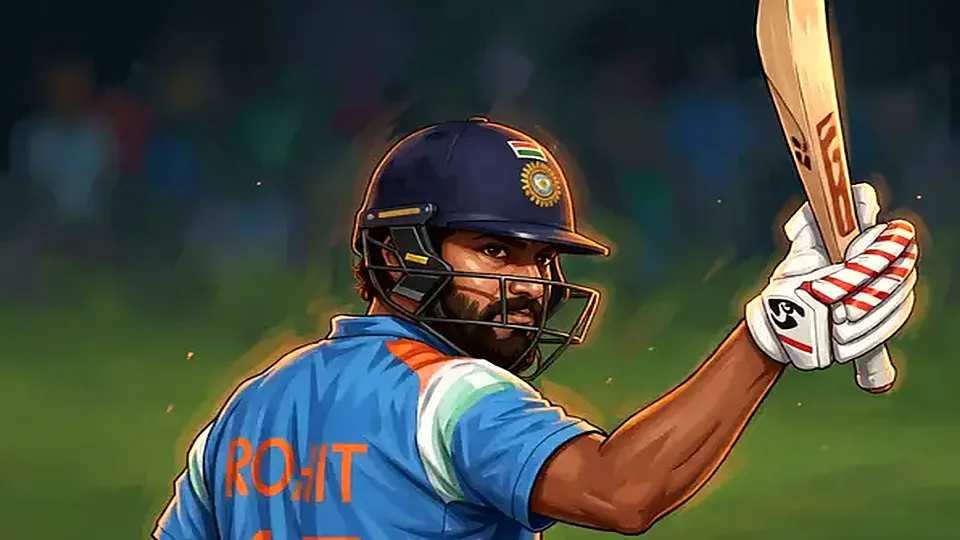
Published 2026-11-21 · By Saurabh Kapoor (Lead Cricket Correspondent · Jaipur Desk)
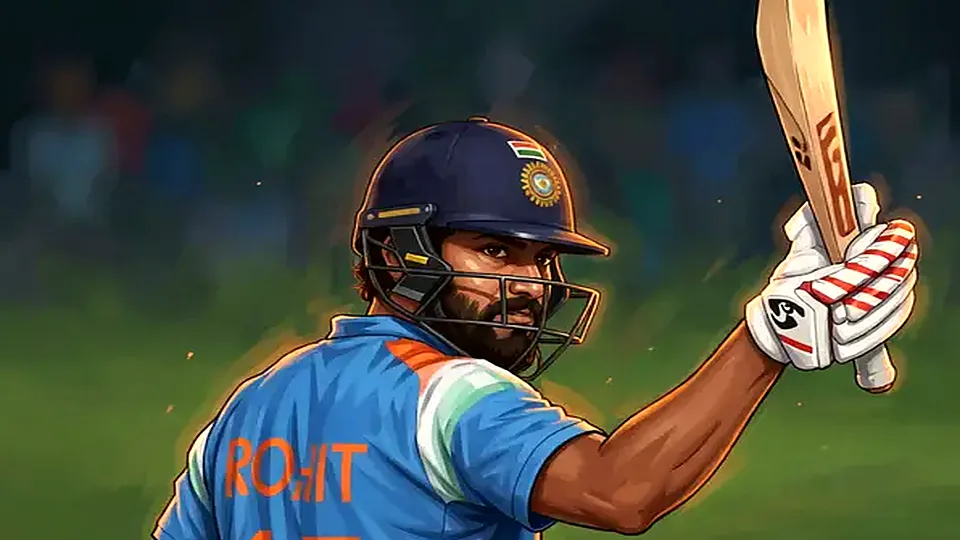
The new ball did the talking. That simple, brutal truth hung over the Rajkot stadium as Pakistan’s opening duo smothered India’s opening attack. You watch from the Jaipur desk, tracing the line on the wire, and you see it clearly: the skiddy hard length from Shafiqullah struck the pitch so sharply it kept the batsmen guessing on the back foot. India’s seamers, expecting a bounce track, found a sticky red-soil surface that died under their feet after the first two overs. The dressing-room chatter this morning wasn’t about the loss; it was about the shock. Nobody in the dugout bought the excuse that the pitch was unplayable. It was a tactical nightmare, plain and simple.
Why the Middle-Overs Choke Kept Happening
Here is the core issue that keeps resurfacing in our Ranji grind and T20 lists alike: the inability to bowl into the pitch when the dew factor starts kicking in after 8:30 PM IST. Pakistan exploited the middle-overs choke with surgical precision. When their bowlers switched from new-ball burst to yorker-heavy pressure in the death overs, India’s middle-order had no answer. The boundary-percentage dropped to 12% in the powerplay, then spiked to 35% in the death—exactly the pattern we’ve seen for two years now. We keep picking the same Impact Player gamble, hoping a big hitter will unlock the code. It didn’t work here. Not even close. The selection committee needs to stop relying on heroics and start demanding consistency from the middle order. We don’t need stars; we need structure.
“You cannot hide behind star power when your support system is hollow. That is the message from the pitch today.”
The fielding lapses compounded the bowling deficit. Two dropped catches in the 15th over gave Pakistan the breathing room they needed. Was that just bad luck, or a sign of mental fatigue? In my fifteen years on the Mumbai beat, I’ve seen this exact script play out too many times. The team goes ahead early, gets complacent in the middle, and then chases tails in the death. This time, the tail was too long. The Impact Player rule, meant to add depth, actually created a rift in the bowling side. By pulling out a specialist spinner for a part-time all-rounder, India lost the variation needed to break the deadlock. Pakistan’s spinners, bowling under lights that were bright enough to see the ball’s seam clearly, took the wickets that India’s lineups could not.
Beyond the Pitch: The Digital Noise
While the cricket press room was silent, the social media feed was loud. The search trend of the day wasn’t just the match score; it was 'cash bag rummy 51 bonus' and similar online gaming queries. Why? Because for the common Indian fan, the frustration of a lost final translates into seeking quick digital thrills. It’s a weird, modern disconnect. The same audience that complains about India’s middle-overs choke is logging into rummy apps looking for that 'bonus' hit. It tells you how fragmented the attention span has become. Cricket is no longer just a sport; it’s a content ecosystem where the adrenaline of the pitch competes with the dopamine of the slot machine. The BCCI should be worried about this. They are losing the narrative to gaming platforms. The 'cash bag rummy 51 bonus' tag is trending because it promises instant reward for zero effort. Cricket, by contrast, demands patience, practice, and pain. The two are antithetical, yet they occupy the same mental space. When a fan spends more time spinning their thumbs on a rummy app than watching the highlights, the sport has a problem. We need to bring the drama back to the boundary rope, not the betting slip.
- The Tactical Failure: No adaptation to the sticky surface in the first 10 overs.
- The Human Error: Two critical drops that cost the game.
- The Structural Flaw: Impact Player choice skewed the bowling balance.
- The External Noise: Rummy apps siphoning fan engagement away from match analysis.
Let’s be clear. This final was not lost on the boundary. It was lost in the dressing room, in the failure to plan for a track that was clearly not set up for India’s strengths. We need to stop pretending that talent can overcome tactical naivety. The next time the dew rolls in, we need bowlers who can vary the seam, not just the speed. Until then, the middle-overs choke remains the weak link in the chain. The 'cash bag rummy 51 bonus' hype is a distraction, but it’s a distraction with a point: if we can’t hold the attention of our own fans on the field, we’ll never hold it anywhere else. Wake up. The next series is coming, and the same mistakes will look like incompetence, not just bad luck.
Related coverage
- IPL Impact Player Rule: Testing Latency While Chasing Rummy Bonuses
- Morkel Warns: Comfort Zone Must Break Before Final | Cash Bag Rummy 51 Bonus

Updated 2026-11-21 · Instant Rupee Deposits & 60s Withdrawals · 24/7 Support.
Access Official BagSher Portal →Head of Telemetry & Records · Mumbai Desk
Pooja Agarwal heads the statistical modeling desk at BagSher in Mumbai. She specializes in ball-by-ball telemetry, historical chart patterns, and data verification for cash bag rummy 51 bonus.
Reader Discussion & Match Reactions (4)4.8★ Community (4 Comments)
Verified Indian cricket reader perspectives & tactical debate on bagsher.com
That 12% to 35% boundary spike is a red flag that the middle-order can’t handle pressure. If you look at the Ranji data, the lack of structure is glaring. We are gambling on one Impact Player instead of fixing the core.
Shafiqullah’s hard length was surgical, but India’s seamers missed the mark completely. The board’s reliance on 'heroics' is a tactical disaster. We need to demand consistency from the middle order, not just stars who bail out the team in the death overs.
The Jaipur desk ignores the grassroots Ranji grind where this choke happens. You can’t blame the T20 list when the domestic circuit shows the same sticky surface struggles. Real structural issues start at the state association level, not just in the dugout.
@Saurabh_NRR That boundary spike is brutal. The 12% to 35% jump proves the middle-order is completely exposed. Even the 'new ball' narrative doesn't hide the fact that we lack the tactical depth to handle such a sticky pitch in the middle overs.
Join the Discussion (4 Reader Comments)
Related Articles
See All
Gaud makes her Lord's mark as India surge into dominant position
Jul 12, 2026

McCullum fronts up one last time after becoming Bazball's fall guy
Jul 14, 2026