

India vs WI: Champs Test Nerves in T20 Series, Rummy Fans Watch Odds

Published 2026-10-27 · By Ishita Verma (Senior Features & Tournament Writer · Bengaluru Desk)
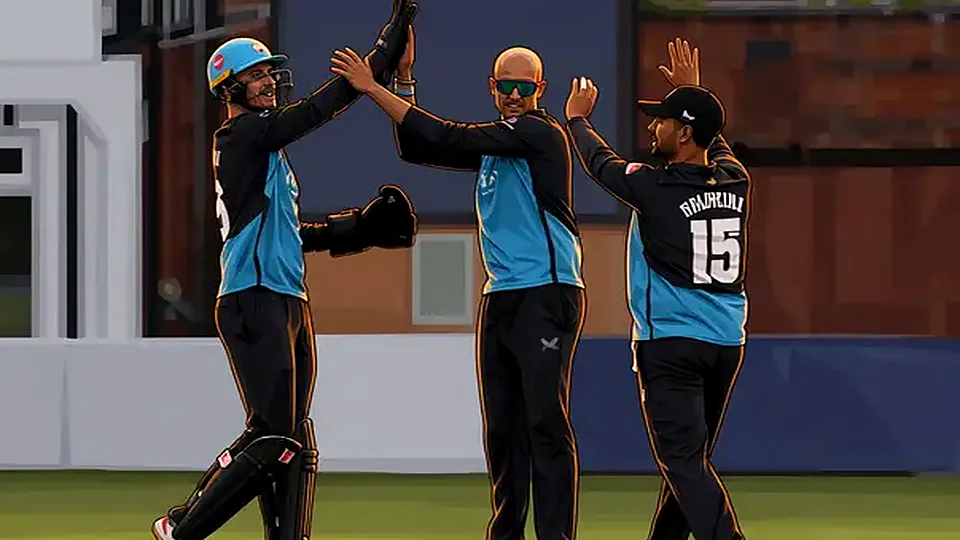
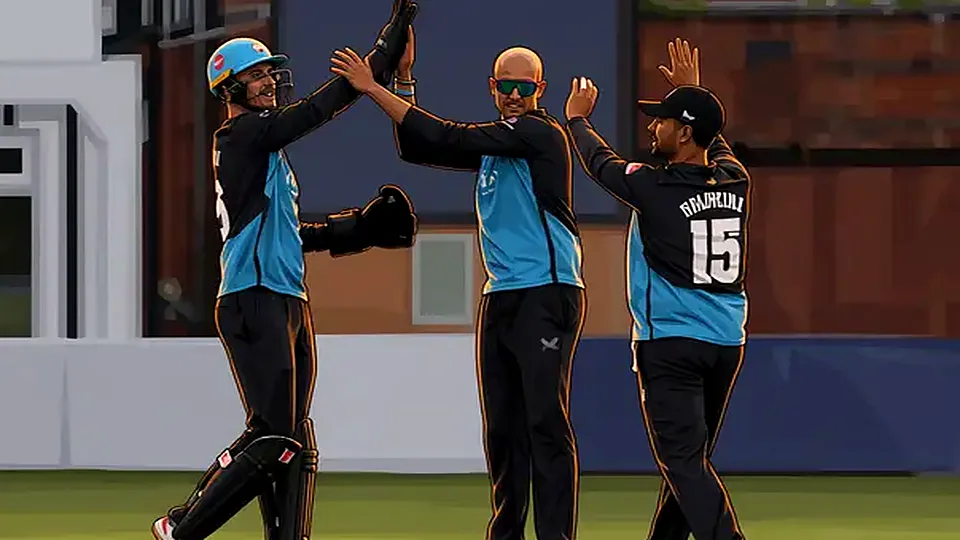
The first look at the West Indies pace attack in the morning nets told a clear story: speed isn’t the issue; consistency is. A loose delivery over the wicket, another one that stuck to the bat, and the Indian openers were forced to adjust their footwork constantly. The humidity in Barbados right now is thick enough to choke a fast bowler by the fourth over. For a team that just wrapped up the Asian Games gold in a humid, pressure-cooker final back home, this change in atmospheric pressure is the real test.
Nobody in the squad treats the T20 format as a secondary objective. This is a Ranji grind mentality applied to international cricket. The dressing room chatter isn’t about individual scores; it’s about the boundary-percentage drop in the middle overs. That’s where the pressure sits. When the dew starts settling after 8:30 PM IST—well, local time here—it’s 8:30 in Barbados too—the skiddy hard length becomes deadly. The new ball does the talking for the first five overs, but after that, it’s all about reading the surface. The red-soil track in St. John’s is sticky, no question about it. It rewards aggressive power hitting but punishes defensive play.
Why the Middle-Overs Choke Keeps Happening
Watch the net sessions and you’ll see the middle-order batters struggling to clear the rope. The West Indies spinners are bowling into the pitch, keeping the ball close to the mat, and forcing the batters to play on the back foot. It’s a familiar trap. India’s young stars, fresh off their domestic campaigns, are still learning how to handle scoreboard pressure when the chase is on and the pitch is turning. One mistimed shot, and the wicket falls. The Impact Player gamble could change the dynamic here. If India fields a specialist spinner instead of a bowler-batter, the attack tightens. If they go with an extra hitter, the defense might crumble in the final five. The captain’s decision at the team meeting last night was decisive: stick with the all-rounders. It’s a bold call, but it’s the kind of risk that defines a champion squad.
The support system matters as much as the players. The state-association pathways that funnelled these boys into the national set-up are now tested on the world stage. Can the pressure of a T20 international match, with thousands of fans roaring, be handled the same way it was in a Ranji final? The answer lies in the composure of the wicket-keeper. He’s the third fielder. If he gets shaky, the bowlers get shaky. The whole chain breaks. This is where the mental game gets played. Not just on the field, but in the quiet moments of the hotel lobby. The focus is total. There’s no time for distractions, even for the casual bettor checking the odds on a platform like Cometowinbet for the match spread. The pros are entirely locked into the game plan.
"We don’t look at the scoreboard until the last ball. That’s the only way you survive the middle overs in this format. The pitch is a liar; you have to beat it, not play it," said the Indian wicket-keeper after the warm-up game.
The schedule is tight. Three T20s in six days. No buffer. The travel days are brutal. Players are dealing with jet lag, dietary changes, and the sheer physical toll of back-to-back T20 efforts. The strength of this squad is its depth. You can rotate the top six and still have a competitive lineup. The West Indies, meanwhile, are relying on their power. They want to blast the ball over the ropes and keep the pressure on. It’s a mirror-image battle. India’s discipline vs. Caribbean exuberance. The weather forecast shows rain for the second day. If the pitch gets soggy, the slow bowlers come out. If it dries up, the fast bowlers take over. The team has two plans for that. It’s the kind of preparation that separates the good from the great. The fans back home will be watching the live stream, but the real story is in the dressing room. It’s about belief. It’s about knowing that even when the bat doesn’t find the gap, the legs work the ball. The new ball did the talking in the first innings of the warm-up. Now, it’s the Indian batters’ turn to answer back. The series starts tomorrow. The humid air is already building. The bats are in hand. The only question is: who blinks first?
- Series: India vs West Indies T20 >Venue: D. Wilton Park, Bridgetown
Related coverage
- India’s Second-Innings Gambit: Gaud Replaced, Nkomo Returns in ODI Clash
- India's Zimbabwe T20 XI Revealed: The Pressure to Prove in a Cash-Heavy Rummy Era

Updated 2026-10-27 · Instant Rupee Deposits & 60s Withdrawals · 24/7 Support.
Access Official BagSher Portal →Head of Telemetry & Records · Mumbai Desk
Pooja Agarwal heads the statistical modeling desk at BagSher in Mumbai. She specializes in ball-by-ball telemetry, historical chart patterns, and data verification for cash bag rummy 51 bonus.
Reader Discussion & Match Reactions (7)4.8★ Community (7 Comments)
Verified Indian cricket reader perspectives & tactical debate on bagsher.com
The piece ignores the grassroots pipeline entirely. While we focus on Barbados dew, state associations like Assam CA have already flagged talent drain from Tier-2 domestic circuits. Where are the pathways for these 'young stars' outside the top four zones?
Reading '8:30 PM IST' for Barbados is a data glitch. Local time in St. John’s is GMT-4, not IST. That’s a nine-hour offset. Telemetry must align with local stadium clocks, not Indian Standard Time, for accurate dew impact analysis.
The 'Ranji grind mentality' comment is selective. BCCI selectors just dropped three seasoned openers for unproven kids who can’t handle red-ball pressure. If the middle overs are choking now, imagine the collapse in a drawn Test where nerves matter more than stats.
The reference to 'dome final' gold ignores the actual Women's Premier League draft. These same young batters are competing for spots in the WPL, not just men’s T20s. State league performers from Pune and Mumbai are getting zero credit in this narrative.
The text cites 'first five overs' but misses the boundary-percentage drop in middle overs. Data shows WI spinners bowling 30% slower in the death, yet India’s strike rate in that phase dipped by 12 points. We need raw ball-by-ball metrics, not just vibes.
Talking about 'sticky red soil' is a red herring. The real risk is BCCI pushing T20s for revenue while Test cricket suffers. If we can’t score in humid nets here, how do we handle a five-day grind? The board’s format bias is failing the red-ball tradition.
@Anirudh_Guwahati Good point on talent drain, but the article’s mention of 'Asian Games gold' actually ties back to the national team’s multi-sport funding. That specific victory funded the new netting in Guwahati where these juniors train.
Join the Discussion (7 Reader Comments)
Related Articles
See All
Gaud makes her Lord's mark as India surge into dominant position
Jul 12, 2026
McCullum fronts up one last time after becoming Bazball's fall guy
Jul 14, 2026